No wedge, no flywheel. Designers are your best wedge finders.
* follow for daily handcrafted thinking.
We are coming out of an era where the discipline of product became the discipline of picking which feature to build next. Now, we are entering one where build is no longer scarce.
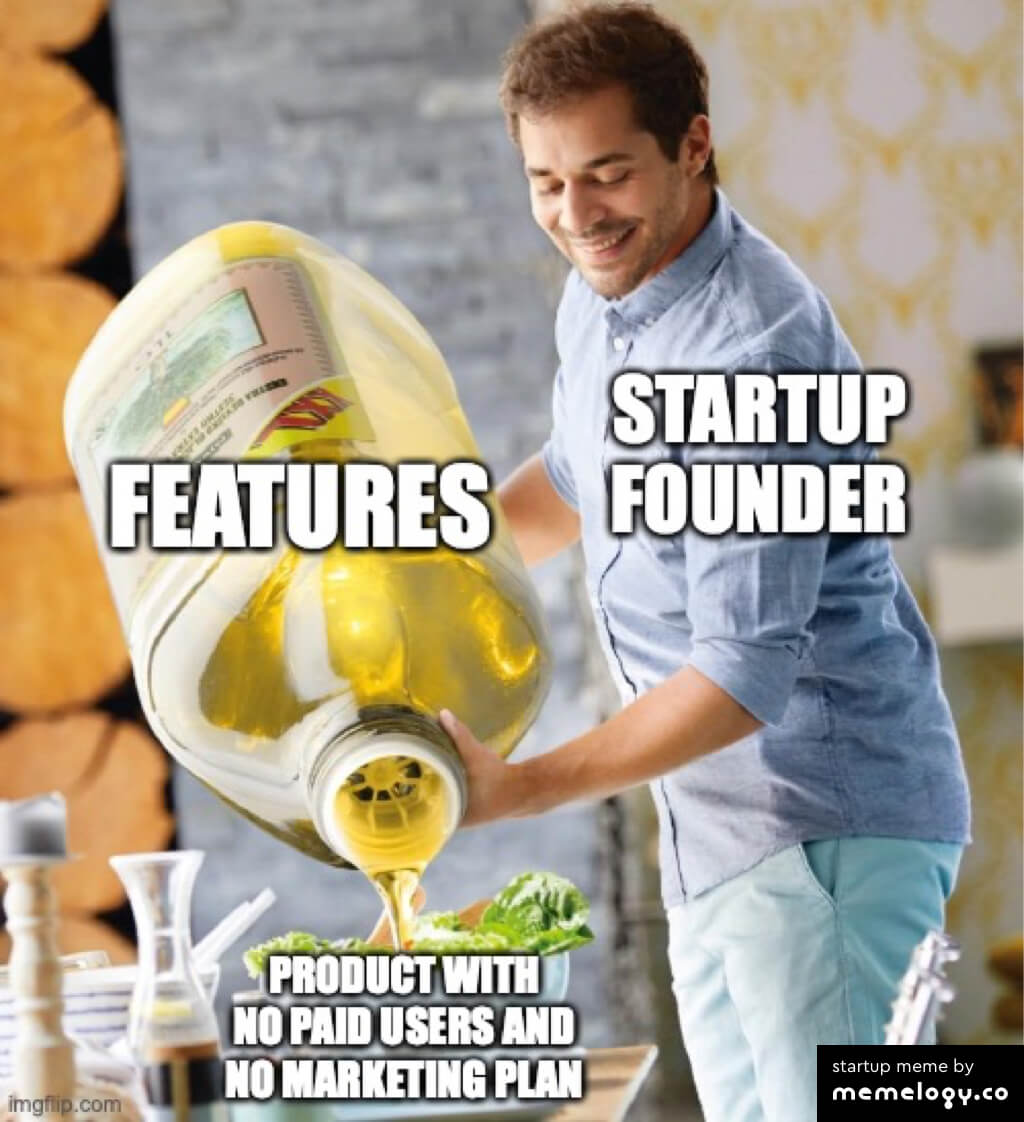
A week takes an afternoon. That's cool. That's also a problem. When build is no longer scarce, the feature factory produces noise, not moats.
In the feature factory, backlog prioritisation was "given that we can only ship so much, what do we ship?". This forced the use of lenses and frameworks to separate noise from signal. Many of these frameworks were created by us designers, and we relied on them for years.
Many people are stating here that "shipping more is the new differentiator".
"Just ship it", right?
Is it though?
Shipping fast is not where the opportunity to moat your business is.
Users are now, again, open to the adoption of new behaviours. People are willing to "learn how to ride new (AI) bicycles".
In this adoption landscape, over-shipping will feature creep you out of business. Spotting wedges will catapult your product to the top.
That is Designer + PM work.
Shallow wedges mine existing behaviour, but deep, well UX researched wedges open up for the introduction of affordances and capabilities that can guide/generate behaviour.
If you find/instil a new behaviour, you can moat it. (e.g. Tinder swipe).
Caveat is: In this ecosystem, Designers need to be able to hold a product thesis.
It is now about the thinking. For real. It is about your reasoning and the ability to defend ideas and concepts.
A designer holding on to just great execution, with no original thesis for the product, is like an orchestra musician: impressive and replaceable.
Designers need to find their way back to the magic. In order to do that, you must re-connect your practice with the thinking and roots that brought that practice to you in the first place.
We've lost sight of the thinking heritage, and without it, it is going to be hard to find the confidence to claim a seat on the decision making table.
Problem is: AI is pushing designers to either take a seat at the decision table, or leave.
Wedge-finder-product-magic-sprinklers will always be needed.
Orchestra-musician-designers are in trouble.